Can a Calorie Tracker Help You Better Understand Portion Sizes?

Understanding how much food belongs on your plate can be surprisingly difficult. A meal may look small but contain several servings, while another dish may appear filling without providing as much energy as expected. Portion awareness is therefore an important part of developing a more informed approach to everyday eating. Instead of relying only on visual guesses, people can use simple tracking methods to learn how different amounts of food relate to their nutritional goals.
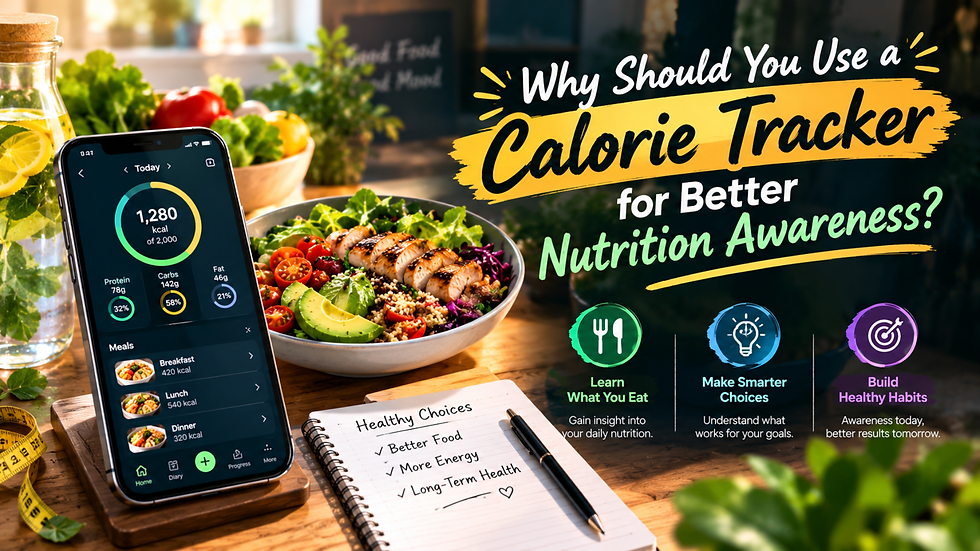
A Calorie Tracker can make this learning process easier by giving people a clearer picture of the amounts they regularly eat. When foods and serving sizes are recorded consistently, patterns become easier to notice. Someone might discover that a familiar bowl of cereal is larger than the suggested serving or that an extra spoonful of a calorie-dense ingredient can significantly change the total intake. These observations can gradually improve awareness without requiring people to measure every meal forever.
Why Portion Awareness Matters
Portion size and serving size are closely related, but they are not always the same thing. A serving may refer to a standard amount used for nutritional information, while a portion is the amount a person actually chooses to eat. Confusing these two ideas can make it difficult to understand how much food is being consumed.
For example, a person may pour two servings of a snack into a bowl without realizing it. The food itself has not changed, but the total amount eaten has increased. Recording that amount can help reveal the difference between an estimated portion and the quantity actually consumed. Over time, this awareness may encourage more thoughtful decisions when preparing meals or filling a plate.
Learning From Everyday Meals
Tracking becomes more valuable when it reflects everyday eating habits rather than just occasional meals. Recording breakfast, lunch, dinner, and diet snacks helps create a clearer picture of usual portions and food choices. Reviewing this information across different days can reveal patterns and habits that may otherwise go unnoticed.
For instance, someone may consistently underestimate the amount of cooking oil, dressing, cheese, nuts, or other calorie-dense ingredients used during meal preparation. These foods can contribute meaningful energy even when they occupy only a small amount of physical space. Recognizing their contribution can help people become more comfortable estimating quantities and making adjustments when appropriate.
Building Better Visual Estimates

One advantage of consistent tracking is that it can gradually improve visual judgment. After recording familiar foods several times, a person may begin to recognize what a particular serving looks like without needing a measuring cup or kitchen scale every time.
This skill can be useful when eating at restaurants, attending social events, or preparing food away from home. Exact measurements are not always practical in these situations. However, previous experience can provide a helpful reference point for estimating the amount on a plate.
Using Tracking Without Becoming Overly Focused
Portion awareness should support a balanced relationship with food rather than create unnecessary stress. Not every meal needs to be measured with perfect precision, and occasional differences from a planned amount are normal. The purpose of tracking can be to develop understanding rather than demand perfection.
It can also be helpful to consider the overall composition of meals instead of focusing exclusively on numbers. Foods containing protein, fiber, fruits, vegetables, whole grains, and healthy fats can contribute to satisfying and varied meals. Looking at the bigger picture allows portion awareness to become one part of a broader healthy eating approach.
Making Portion Awareness a Long-Term Skill
One of the most valuable benefits of tracking is the awareness gained through consistent observation. Using a daily calorie tracker can help people understand their usual portions and make more informed food choices, even when they are not actively logging meals. Over time, this experience can make everyday decisions feel easier and more natural because they are guided by knowledge rather than guesswork.
Consistency also matters more than perfection. A person who records meals regularly can learn from patterns, adjust expectations, and become more familiar with the quantities they typically consume. Over time, this knowledge can support practical decisions about meal preparation, snacks, and restaurant portions.
To Know More Click On - Calorie Tracker Buddy is LIVE | Your Virtual Health Pet |
Summary
Understanding portion sizes can make everyday nutrition decisions clearer and more manageable. Tracking actual food quantities helps people compare their usual portions with their nutritional needs while gradually developing stronger visual awareness. A Calorie Tracker can support this process by turning everyday eating information into useful patterns that are easier to recognize. The goal is not to make every meal complicated, but to build practical knowledge that can encourage balanced choices and greater confidence around food.
FAQs
1. Can tracking food help improve portion awareness?
Yes. Recording foods and their quantities can help people understand how much they usually eat and recognize portions more accurately over time.
2. Do I need to measure every meal?
Not necessarily. Measuring can be useful while learning, but repeated experience can eventually make it easier to estimate familiar portions visually.
3. Should portion awareness mean eating less food?
Not always. Portion awareness is mainly about understanding quantities and creating balanced meals that suit individual nutritional needs and goals.

Comments