Why Should You Use a Calorie Tracker for Better Nutrition Awareness?
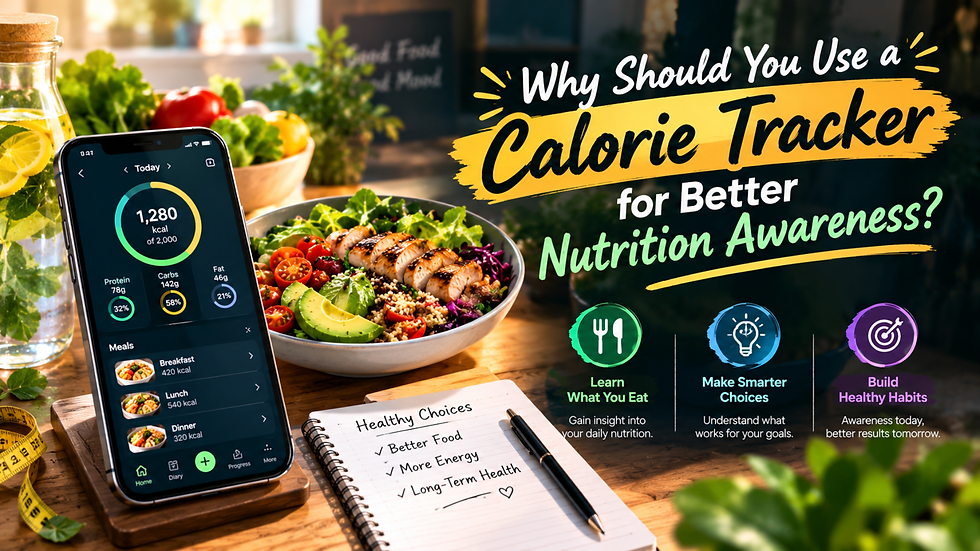
Understanding what you eat can be just as important as knowing how active you are. Many people focus on exercise while overlooking the nutritional choices that influence energy, performance, and everyday well-being. When meals are planned without awareness of portions or nutritional balance, it can become difficult to understand why certain health goals feel harder to reach. Developing greater awareness of food choices can therefore provide a clearer foundation for making practical and sustainable decisions.
A Calorie Tracker can make this process more organized by helping people record meals, monitor intake, and recognize patterns in their everyday eating habits. Instead of relying entirely on memory, users can review what they have consumed and gain a clearer picture of their nutritional routines. This information can encourage more thoughtful decisions because people become more aware of how individual meals contribute to their overall eating patterns.
Why Does Nutrition Awareness Matter?
Nutrition awareness begins with understanding the relationship between food and daily needs. Every meal contributes nutrients and energy, but the amount and type of food consumed can vary considerably from one day to another. Without paying attention to these differences, it is easy to underestimate certain foods or overlook how frequently particular choices appear in a diet.
Keeping a simple record can make those patterns easier to notice. For example, someone may discover that busy mornings often lead to skipped breakfasts or that afternoon hunger results in frequent convenience snacks. Recognizing these habits does not require making extreme changes. Instead, awareness creates an opportunity to make small adjustments that fit naturally into an individual's lifestyle.
How Can Tracking Improve Eating Habits?

Consistent tracking can encourage people to pause before making food choices because recording a meal creates a moment of reflection. That brief pause can help individuals consider whether they are genuinely hungry, eating out of habit, or choosing food simply because it is convenient. Over time, this awareness can make eating decisions more intentional.
Can Tracking Support Personal Goals?
Different people have different reasons for paying closer attention to nutrition. Some may want to manage their weight, while others may be interested in supporting exercise, maintaining energy, or developing more consistent meal habits. Because these goals vary, a useful tracking approach should focus on personal progress rather than comparison with someone else's routine.
A food record can offer valuable insights as goals evolve. Someone starting a new workout schedule may want to monitor meal timing and calorie intake more closely, while another person may focus on developing greater consistency with balanced meals. Reviewing past entries can help highlight successful habits and reveal practical areas for improvement.
Why Is Consistency More Important Than Perfection?
Nutrition awareness does not require perfect tracking every day. Missing an entry or having an unusual meal does not erase previous progress. What matters more is developing a sustainable habit that provides useful information over time.
A flexible approach can also reduce unnecessary pressure. People can use tracking as a learning tool rather than treating every entry as a test they must pass. When the focus remains on understanding patterns, the process becomes more useful and realistic for everyday life.
To Know More Click On - Calorie Tracker Buddy | Fun & Easy Food Diary with Virtual Pet, Step Counter & Health Tracker
Summary
Better nutrition awareness begins with understanding everyday eating habits rather than making sudden or restrictive changes. A Calorie Tracker can support this awareness by organizing meal information, revealing patterns, and helping individuals make more informed choices based on their personal goals. When used consistently and flexibly, tracking can become a practical way to understand food habits and encourage gradual improvements. The goal is not perfection but greater awareness, because informed choices are easier to make when people understand their own routines.
Frequently Asked Questions
Is tracking food useful for beginners?
Yes. Recording meals can help beginners understand their current eating patterns and identify simple areas where they may want to make improvements.
Should every meal be tracked?
Consistent recording can provide more complete information, but the approach should remain practical. If detailed tracking becomes stressful, people can focus on maintaining a manageable routine.
Can nutrition awareness improve healthy eating habits?
Greater awareness can make people more conscious of portions, meal patterns, and food choices. This understanding can support gradual changes that fit their individual lifestyle.


Comments