What Makes a Best Calorie Tracker Different From a Basic Calorie App?
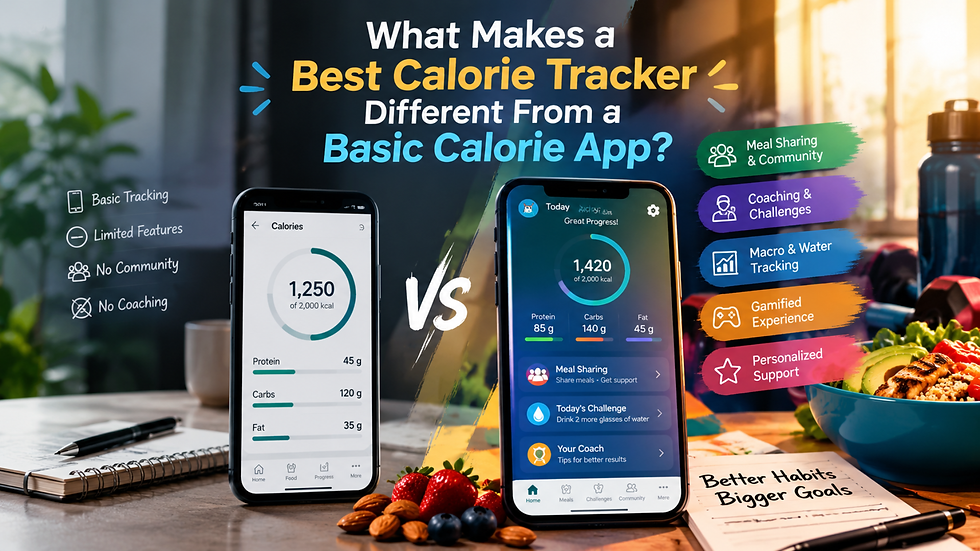
Tracking food intake can be useful for people who want to understand their eating patterns, manage portions, or work toward specific wellness goals. However, not every calorie-tracking app provides the same experience. Some focus mainly on entering foods and displaying numbers, while others offer a broader approach that helps users understand their habits and remain consistent. The difference becomes important when tracking needs to fit naturally into everyday life rather than becoming another repetitive task.
A Best Calorie Tracker can provide more than a simple place to record meals because it may combine nutrition information, progress insights, personalized goals, and practical features in one experience. Instead of treating calorie counting as an isolated activity, a more complete platform can help users connect their food choices with their broader health and fitness routines. This makes the tracking process more meaningful while still keeping the information easy to understand.
More Than Basic Food Logging
A basic calorie app generally centers on one primary function: recording what a person eats and calculating the estimated calories. While this can be useful, users may eventually want more context around those numbers. A stronger tracking experience can make it easier to recognize eating patterns, review daily progress, and understand how individual choices contribute to larger goals.
This broader approach can also reduce the feeling that nutrition tracking is simply about watching a number. When an app presents information in an organized and understandable way, users can focus on building awareness rather than becoming overly focused on individual entries. The goal is to make nutritional information useful without making everyday meals feel unnecessarily complicated.
Personalized Goals Can Make Tracking More Relevant

Everyone has unique routines, preferences, activity levels, and wellness goals, which means a one-size-fits-all approach may not suit everyone. Effective tracking tools can help individuals set goals based on their personal needs and lifestyle. Whether the aim is to become more mindful of meals, monitor protein intake, support an active lifestyle, or build consistent eating habits, personalized settings can make the overall experience more practical and meaningful.
Personalization can also help users interpret their progress within their own context. Instead of comparing their results with someone else's routine, they can focus on changes that make sense for them. This can encourage a more sustainable relationship with food tracking because progress becomes connected to individual needs rather than external expectations.
Helpful Insights Beyond Calories
Calories are only one part of nutrition, which is why additional information can make a tracking platform more valuable. Depending on the features available, users may benefit from viewing macronutrients, meal patterns, hydration, or other nutritional details alongside calorie information. Seeing these elements together can provide a broader picture of daily habits.
The quality of these insights also matters. Information should be presented clearly enough that users can understand what their records may suggest without feeling overwhelmed by excessive data. Simple charts, summaries, and progress views can turn a collection of food entries into information that is easier to interpret and apply to everyday decisions.
Consistency Through a Better User Experience
Even a feature-rich app can lose its value if it is complicated to navigate. Effective calorie tracking should keep everyday tasks simple, whether users are searching for foods, logging meals, or checking their progress. When these activities are easy and convenient, users are more likely to maintain consistent tracking and stay committed to their nutrition goals.
Consistency matters because meaningful patterns generally become clearer over time. A smooth interface, organized information, reminders, and encouraging progress features can help reduce unnecessary friction. Instead of making tracking feel like a demanding obligation, the experience can become a manageable part of a person's daily routine.
Choosing a More Complete Tracking Experience
The difference between a basic calorie app and a more comprehensive tracking platform often comes down to how much support the user receives beyond simple calorie calculations. Food logging remains important, but useful personalization, broader nutrition insights, understandable progress information, and an easy interface can make tracking more practical.
To Know More Click On - Calorie Tracker Buddy is LIVE on iOS | App Store | Your Fun, Smart Health Companion
Summary
Discover what separates a comprehensive calorie-tracking platform from a basic calorie-counting app, including personalization, nutrition insights, progress tracking, and user-friendly features.
Ultimately, the right tool should support awareness without encouraging unnecessary pressure around food or numbers. A Best Calorie Tracker should therefore be viewed as a practical companion for understanding everyday nutrition rather than simply a calculator. When the technology helps users make sense of their habits and stay consistent with realistic goals, tracking can become a more useful part of a balanced health and fitness routine.
FAQs
What is the difference between a calorie tracker and a basic calorie app?
A calorie tracker may provide broader features such as nutrition insights, personalized goals, progress analysis, and habit-supporting tools, while a basic app may focus primarily on calorie entry and calculation.
Why is personalization useful in calorie tracking?
Personalization allows users to consider their individual goals, routines, activity levels, and nutritional needs instead of relying on a generic tracking approach.
Should calorie tracking focus only on calories?
Not necessarily. Calories can be useful for understanding energy intake, but other factors such as macronutrients, meal patterns, hydration, activity, and overall eating habits can provide additional context.


Comments